How Do Self Drilling Screws Work in Modern Construction and Manufacturing?
Abstract
Self drilling screws are engineered fasteners designed to eliminate the need for pre-drilling, significantly improving installation efficiency in metal, wood, and composite applications. This article explores their working principle, advantages, applications, selection criteria, and installation practices. It is designed to help engineers, contractors, and procurement professionals make informed decisions when choosing fastening solutions for structural and industrial projects.
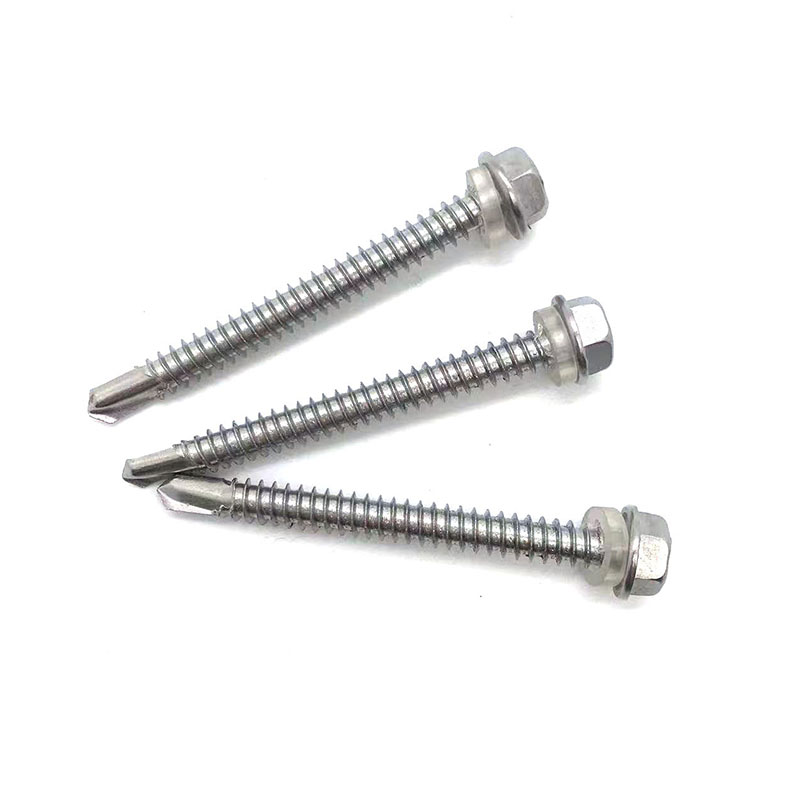
Table of Contents
- 1. Overview of Self Drilling Screws
- 2. How Self Drilling Screws Work
- 3. Key Applications
- 4. Advantages in Industrial Use
- 5. How to Choose the Right Self Drilling Screw
- 6. Installation Guidelines
- 7. Comparison with Traditional Screws
- 8. Common Installation Mistakes
- 9. Frequently Asked Questions
- 10. Conclusion
1. Overview of Self Drilling Screws
A self drilling screw is a specialized fastener equipped with a drill bit-like tip that allows it to cut through materials and form its own mating thread in a single operation. Unlike conventional screws that require a pre-drilled pilot hole, self drilling screws integrate drilling, tapping, and fastening into one step.
They are widely used in steel framing, roofing systems, HVAC installations, and general industrial assembly where speed and structural reliability are critical.
2. How Self Drilling Screws Work
The working mechanism of self drilling screws is based on a three-stage functional design:
- Drilling Tip: The hardened point acts like a drill bit, penetrating metal or wood without pre-drilling.
- Cutting Flutes: These remove material chips during penetration, ensuring smooth entry.
- Thread Forming Section: Once inside the substrate, threads engage and secure the joint tightly.
This integrated process reduces labor time, tool usage, and installation errors, making it highly efficient in industrial environments.
3. Key Applications
Self drilling screws are used across multiple industries due to their versatility and strength.
- Steel structure buildings and prefabricated frames
- Roofing and cladding systems
- HVAC ductwork and ventilation systems
- Automotive and machinery assembly
- Electrical and communication equipment installation
Their ability to penetrate hard materials makes them essential in environments where traditional fastening methods are inefficient or impractical.
4. Advantages in Industrial Use
Self drilling screws offer several engineering and operational benefits:
| Advantage | Description |
|---|---|
| Time Efficiency | Eliminates pre-drilling, reducing installation time significantly. |
| Cost Reduction | Reduces labor cost and tool wear. |
| High Strength Connection | Provides secure fastening even in high-stress environments. |
| Versatility | Suitable for metal, wood, and composite materials. |
5. How to Choose the Right Self Drilling Screw
Selecting the appropriate self drilling screw depends on material thickness, environment, and load requirements. Below are key considerations:
- Material Type: Stainless steel, carbon steel, or coated variants depending on corrosion exposure.
- Drill Point Type: Different tip designs (TEK 1–5) are suitable for varying thicknesses.
- Coating: Zinc or ceramic coatings improve durability in outdoor applications.
- Head Style: Hex, pan, or flat heads depending on torque and surface requirements.
Choosing correctly ensures long-term structural integrity and prevents premature failure.
6. Installation Guidelines
Proper installation is critical for performance. Follow these steps:
- Align the screw with the target surface.
- Apply steady pressure using a compatible power tool.
- Allow the drill point to penetrate without excessive force.
- Maintain consistent torque to avoid stripping threads.
- Ensure full seating of the screw head for optimal holding strength.
Over-tightening or incorrect angle application may reduce performance or damage the substrate.
7. Comparison with Traditional Screws
| Feature | Self Drilling Screw | Traditional Screw |
|---|---|---|
| Pre-drilling Requirement | Not required | Required |
| Installation Speed | Fast | Slower |
| Tool Usage | Single tool operation | Multiple tools needed |
| Application Scope | Wide industrial use | Limited depending on material |
8. Common Installation Mistakes
Even though self drilling screws are designed for simplicity, improper use can affect performance:
- Using incorrect drill bit type for material thickness
- Over-tightening leading to thread stripping
- Incorrect screw length selection
- Ignoring corrosion resistance requirements
Avoiding these mistakes ensures long-lasting and reliable fastening results.
9. Frequently Asked Questions
Q1: Can self drilling screws be reused?
They are generally designed for single-use applications to maintain structural integrity.
Q2: Are they suitable for thick steel?
Yes, but only if the correct drill point type and screw grade are selected.
Q3: Do they require special tools?
A standard power drill or impact driver is typically sufficient.
Q4: How do I prevent corrosion?
Use stainless steel or coated variants for outdoor or humid environments.
10. Conclusion
Self drilling screws represent a highly efficient fastening solution that integrates drilling and fastening into one streamlined process. Their use significantly improves productivity, reduces installation complexity, and ensures reliable mechanical performance across a wide range of industrial applications.
For high-quality fastening solutions, Jiaxing Aoke Trading Co., Ltd. provides a comprehensive range of self drilling screws engineered for durability and precision manufacturing standards.
Contact Us
If you are looking for reliable fastening solutions tailored to your project requirements, Jiaxing Aoke Trading Co., Ltd. is ready to support your needs with professional service and competitive supply capabilities.
Contact us today to get technical guidance, product recommendations, or a customized quotation for your next project.