News
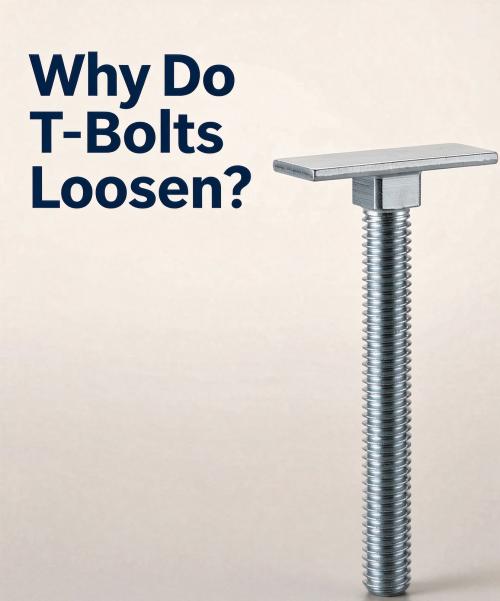
Why Is One T-Bolt Always Loose When Installing Aluminum Profiles?
T-bolts are widely used in aluminum extrusion frames, industrial automation equipment, and mechanical structures. However, why does one bolt remain loose while the others are properly tightened? Is it caused by dimensional incompatibility, slot design, or improper installation? This article explores......
Read More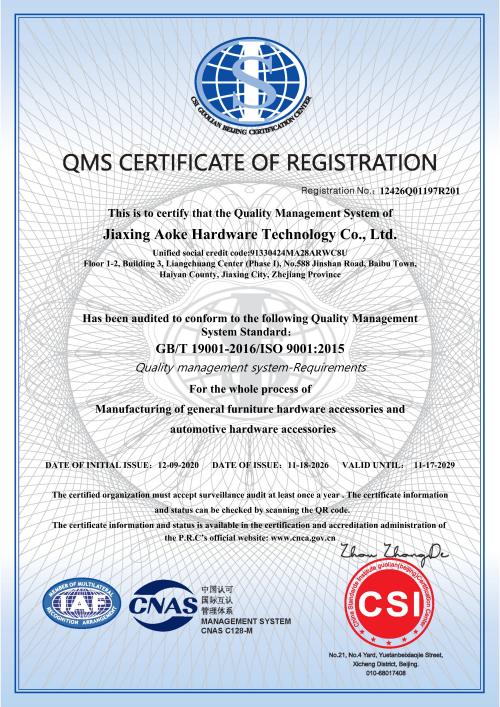
AOKE Renewed ISO 9001 Quality Management Certificate
We have passed third party recertification audit for ISO 9001 (GB/T19001 2016 / ISO9001:2015). Our CNAS IAF accredited certificate covers full manufacturing of industrial fasteners, including high tensile bolts, stainless steel fasteners and non standard special fasteners. This upgrade strengthens b......
Read More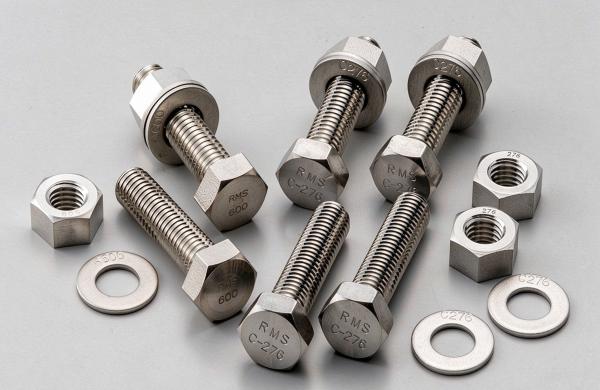
What Should Buyers Consider When Purchasing Stainless Steel Fasteners?
How to choose suitable products when purchasing stainless steel fasteners? This article provides a detailed introduction to the key considerations for purchasing stainless steel fasteners from eight aspects: material grade, product size, thread type, mechanical properties, surface treatment, quality......
Read More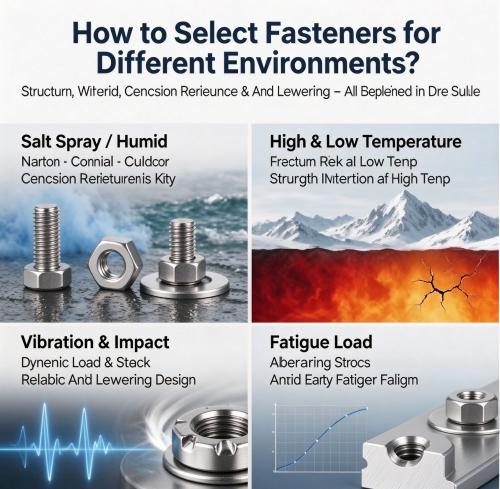
How to Select Fasteners for Different Working Environments
Different working environments require different fastener materials, designs and performance. This guide explores fastener selection for humid, coastal, high-temperature and high-vibration applications. It covers 304 and 316 stainless steel, carbon steel, heat-resistant alloys and anti-loosening sol......
Read More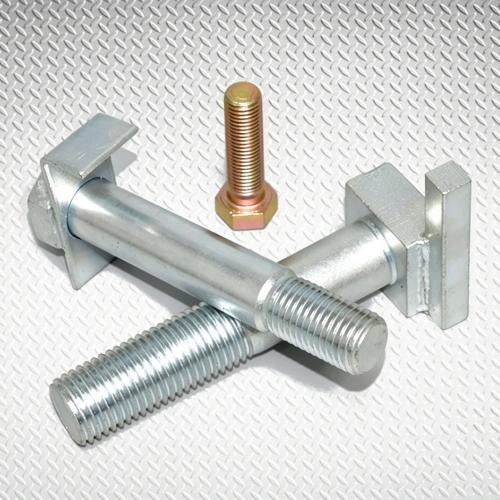
FAQ for High-Grade Nickel Alloy Fasteners
Sourcing reliable nickel alloy fasteners for extreme working conditions is challenging for global procurement teams. Inconel 625, Monel 400 and Hastelloy C276 are widely specified for offshore engineering and sour gas service, yet buyers often have questions about grade selection, temperature limits......
Read More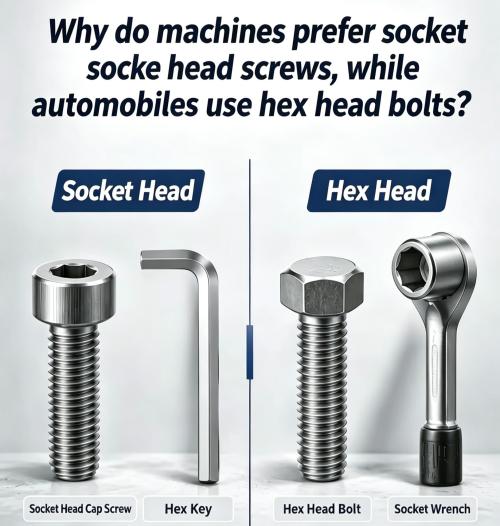
Why Machinery Prefers Socket Head Cap Screws While Auto Parts Use Hex Head Bolts
Why do machinery manufacturers prefer socket head cap screws, while automotive applications often use hex head bolts? These two common fasteners offer different advantages in head design, installation space, torque transmission, and assembly efficiency. This article explores their key differences, t......
Read More