Industry News
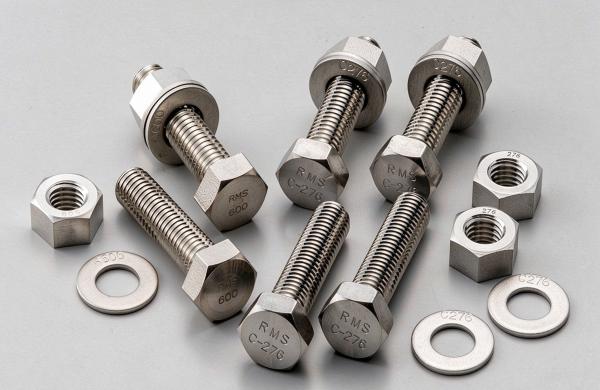
What Should Buyers Consider When Purchasing Stainless Steel Fasteners?
How to choose suitable products when purchasing stainless steel fasteners? This article provides a detailed introduction to the key considerations for purchasing stainless steel fasteners from eight aspects: material grade, product size, thread type, mechanical properties, surface treatment, quality......
Read More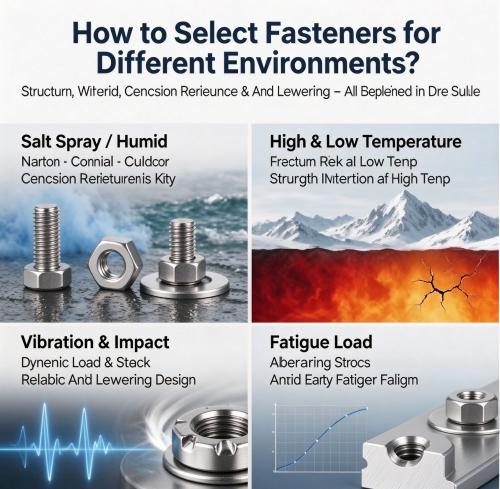
How to Select Fasteners for Different Working Environments
Different working environments require different fastener materials, designs and performance. This guide explores fastener selection for humid, coastal, high-temperature and high-vibration applications. It covers 304 and 316 stainless steel, carbon steel, heat-resistant alloys and anti-loosening sol......
Read More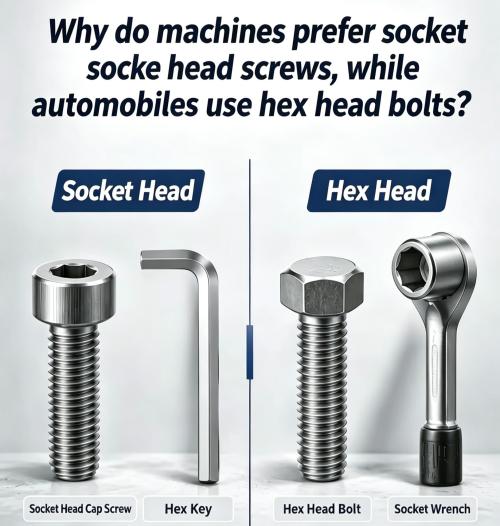
Why Machinery Prefers Socket Head Cap Screws While Auto Parts Use Hex Head Bolts
Why do machinery manufacturers prefer socket head cap screws, while automotive applications often use hex head bolts? These two common fasteners offer different advantages in head design, installation space, torque transmission, and assembly efficiency. This article explores their key differences, t......
Read More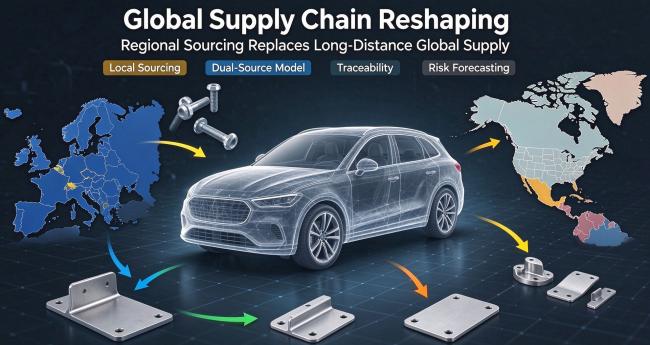
Tighter EU Fastener Trade Rules:How Auto Buyers Mitigate Supply Chain Risks in Advance
Tighter EU automotive fastener trade rules proposed by EIFI are reshaping global auto supply chains. The proposed local content threshold pushes OEMs and Tier 1 suppliers to adopt regionalized sourcing, with compliance, traceability and CBAM documentation becoming essential entry requirements for al......
Read More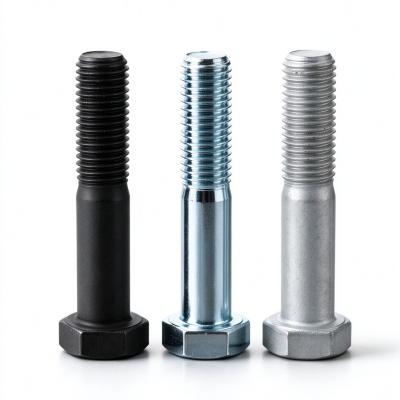
How to Pick Safe Surface Treatment for Bolts
Bolt surface finishing determines corrosion resistance, conductivity and cost. This article compares zinc plating, black oxide and Dacromet on salt spray performance, hydrogen embrittlement risk and price. It provides a two-step selection workflow, 4 common dangerous pitfalls, 5 corrosion types of f......
Read More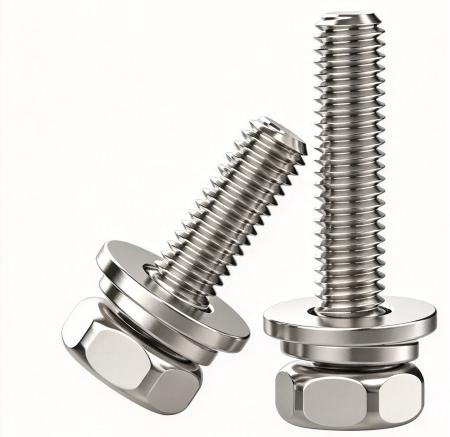
Electroplated vs Electroless Nickel: Why Your Screws Get Stuck & Gall
Electroplated nickel and electroless nickel are common nickel surface finishes for fasteners, with obvious differences in uniformity, hardness and cost. Electroplated nickel delivers bright appearance at low cost, yet excess coating on thread crests often triggers galling. Electroless nickel is nick......
Read More