News
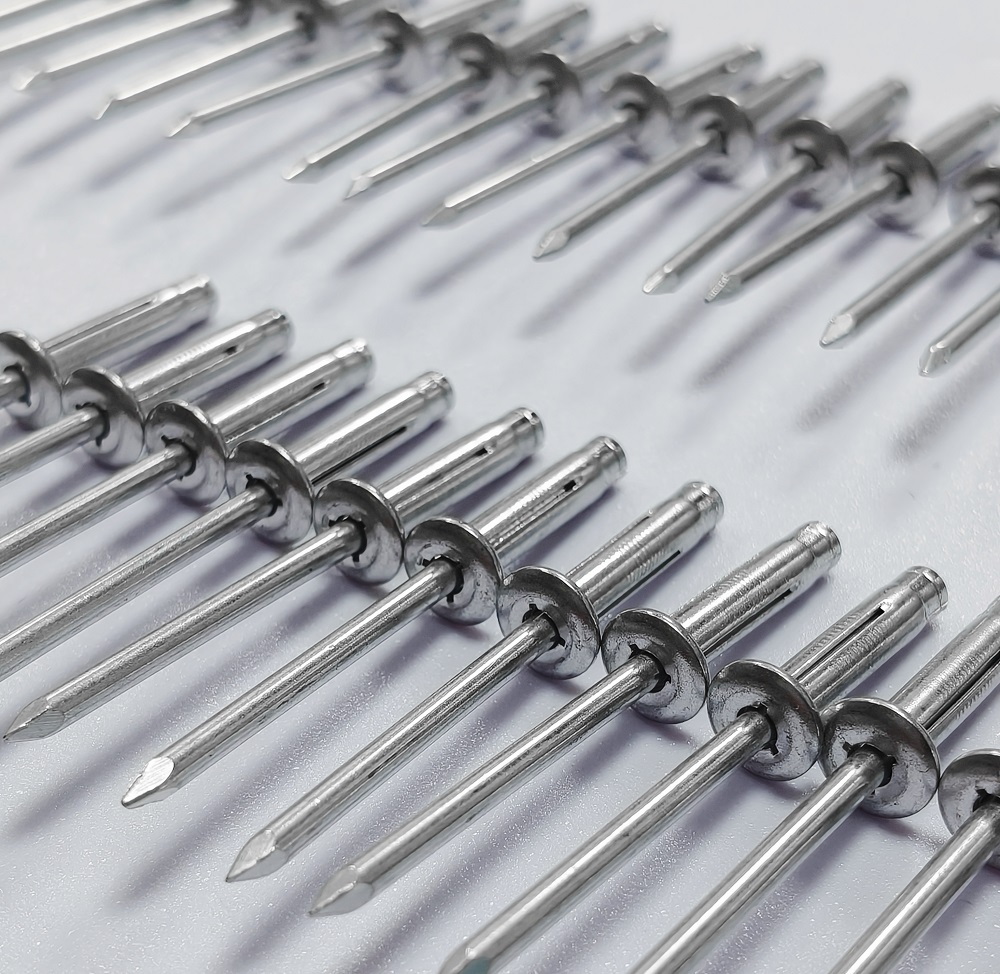
How Blind Rivets Work?
What are blind rivets? Blind rivets are a type of single-sided rivet that requires a rivet gun (manual, electric, or automatic) for installation. These rivets are suitable for applications where standard rivets (which require riveting from both sides) are impractical, and are widely used in products......
Read More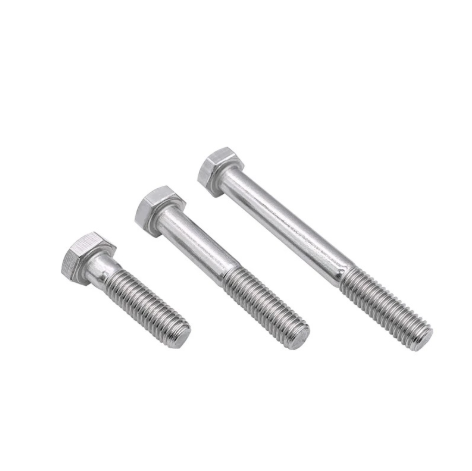
What Are Half-Threaded Screws Used For?
Many people know that screws are used for fastening and securing objects, but they often cannot distinguish between fully threaded and half-threaded screws, nor do they understand the specific applications of half-threaded screws. While they may appear to simply lack a section of threads, there are ......
Read More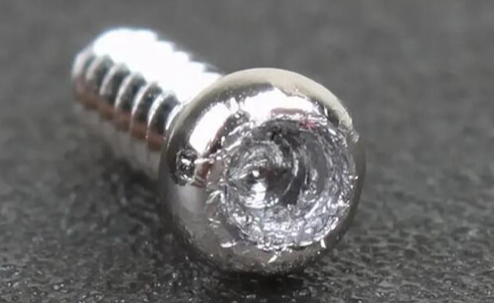
HOW TO DEAL WITH STRIPPED SCREW HEADS?
If the threads in the hole are severely worn, a thread repair tool can be used. Insert the repair tool or tap into the hole and turn it clockwise until it is fully seated, then attempt to screw in a screw of the appropriate size. If the screw still slips, try other methods.
Read More
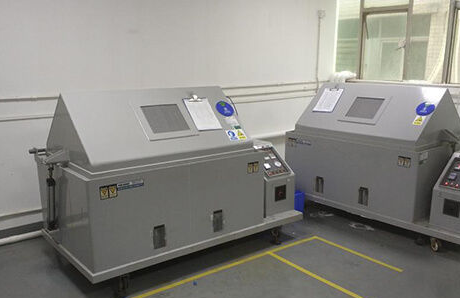
Salt Spray Testing of Stainless Steel Fasteners
Salt spray testing is a method that simulates the corrosive conditions found in marine environments. By simulating the condensation of various ions from seawater into a mist in an open-air setting, stainless steel fasteners are exposed to this environment to evaluate their corrosion resistance. Unde......
Read More