News
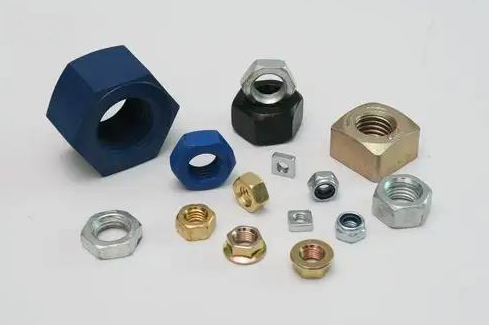
Choosing the “Coating” for Bolts
Zinc plating is the most common and economical surface treatment method for commercial fasteners. Typically, a passivation process is performed after zinc plating; depending on the passivation solution used, the resulting finish can appear white, blue, yellow, black, green, or other colors.
Read More
Should Stainless Steel Screws Be Passivated?
After production, many stainless steel screws are simply cleaned and packaged for shipment. So, do they need to undergo passivation treatment? In fact, although stainless steel screws have excellent rust resistance, they still require some form of passivation.
Read More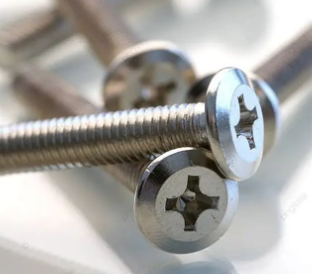
Performance Comparison of Martensitic and Austenitic Screws
In the wide-ranging applications of industrial fasteners, martensitic stainless steel screws and austenitic stainless steel screws have become essential choices for various operating conditions due to their unique physical and chemical properties. Correctly distinguishing and understanding the chara......
Read More
How to Address Stripped Screw Threads?
The primary causes of stripped screw threads typically include excessive torque, improper thread matching, eccentric loading, soft material, or repeated disassembly and reassembly. To effectively reduce failure rates and secondary damage, standardized procedures should be followed across four stages......
Read More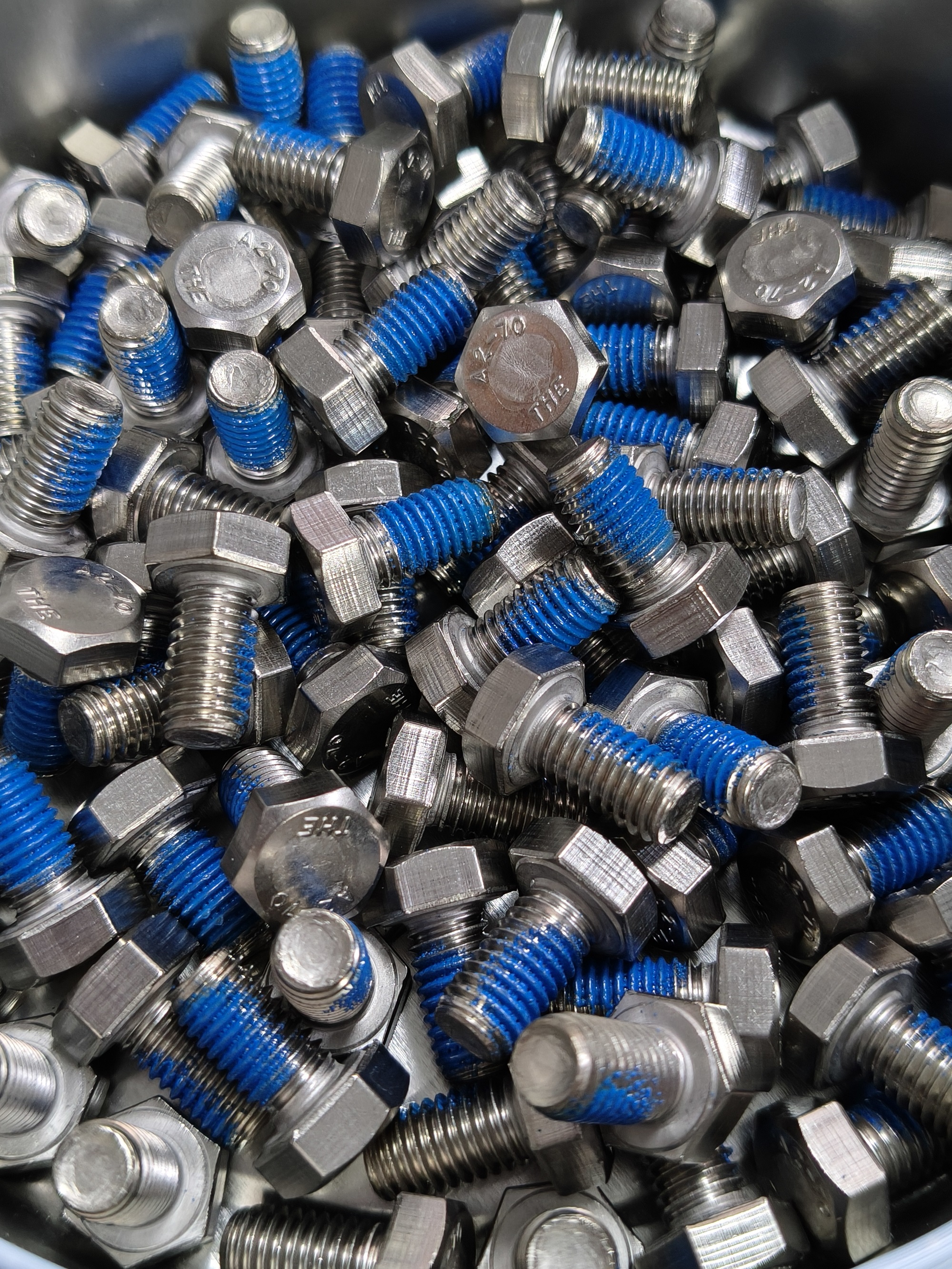
Why are threadlocking adhesives categorized into chemical adhesives and nylon adhesives?
The distinction between chemical and nylon threadlocking adhesives stems from their fundamental differences in anti-loosening principles, curing mechanisms, disassembly properties, and applicable scenarios. These variations enable them to meet distinct requirements for anti-loosening strength, seali......
Read More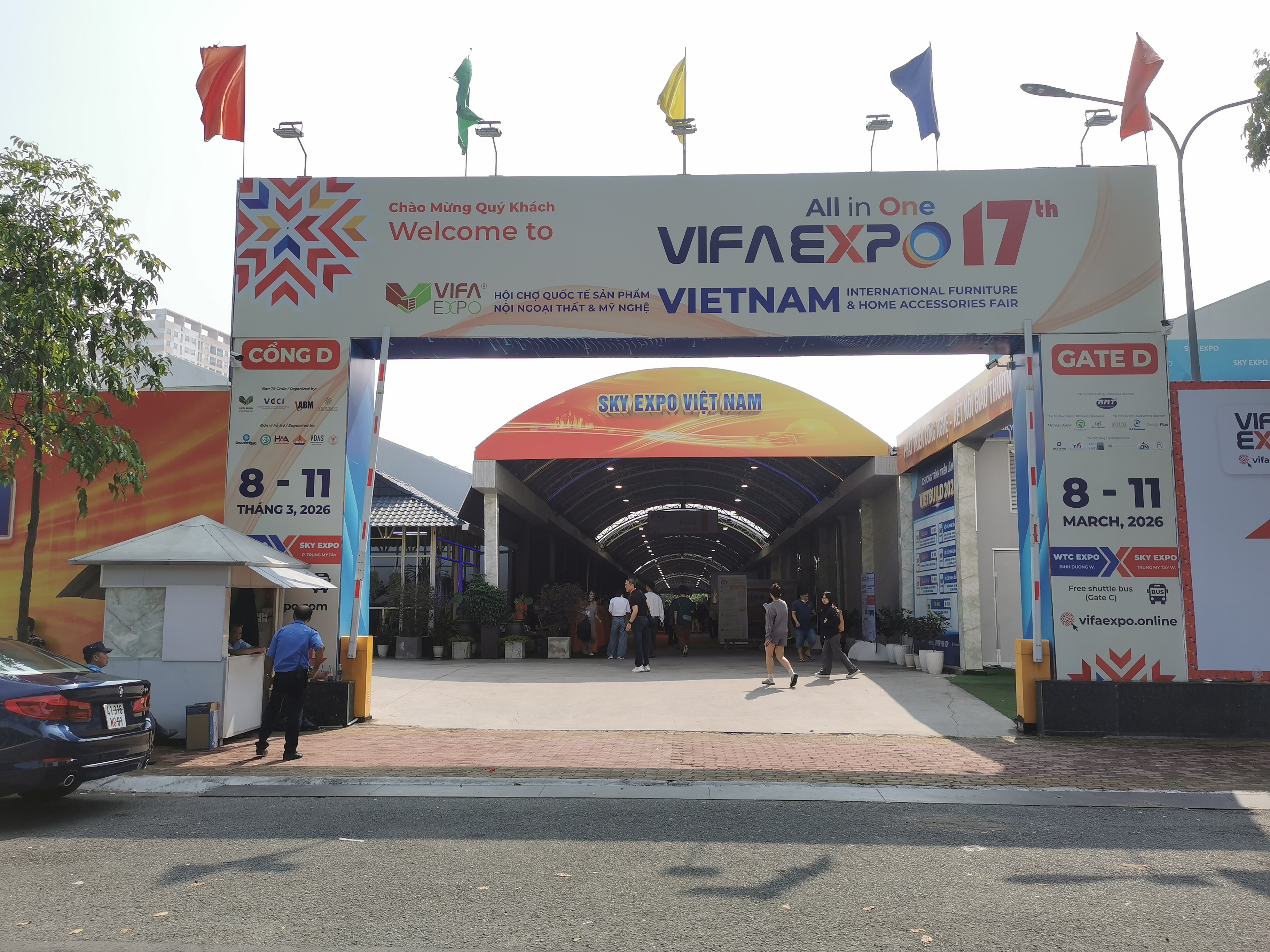
Jiaxing Aoke Participates in 2026 Vietnam VIFA EXPO
The 17th Vietnam Furniture and Accessories Exhibition (VIFA) 2026 officially commenced on March 8 and will run through March 11. This event brings together furniture and accessories professionals from around the world, establishing itself as one of Southeast Asia's most significant industry gatherin......
Read More