How to Solve Frequent Wear & Corrosion On Hinge Joints?
Excessive clearance, corrosion seizure and out-of-tolerance dimensions of hinge pins will directly lead to equipment shaking and unplanned downtime, resulting in repeated maintenance and high spare-part expenses. For hinge points on construction machinery, automation equipment and general-purpose machinery, clevis pins with precise tolerance and application-specific material are critical to guarantee long-term stable machine operation.
One overseas construction-machinery OEM originally adopted Type-A clevis pins for high-frequency vibrating link joints. Pins began to creep and slip out after around 1200 working hours, resulting in unplanned equipment shutdown. After switching to ISO2341 Type-B clevis pins secured with split pins, zero pin‑escape failure was recorded within over 8000 operating hours.
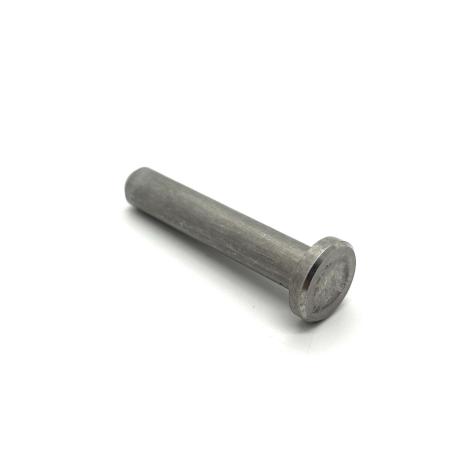
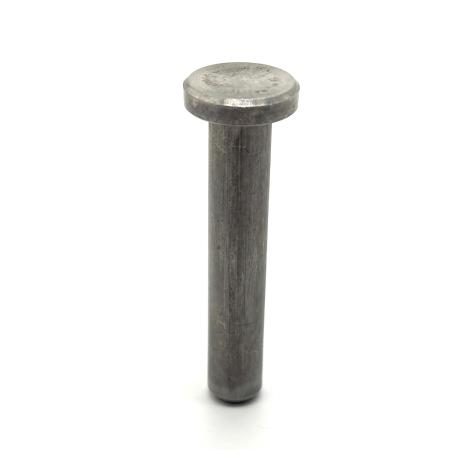
Our company strictly produces lead pin shafts in accordance with the ISO2341 international standard, and physical sample stock is Type A (without pin hole), Type B (with pin hole) is available upon order.
- Type A (without pin hole)
Application: Static positioning, low‑vibration tooling, stable hinge joints. Benefit: Fewer parts, simple & fast assembly.
- Type B (with pin hole at shank end)
Application: Hinges under vibration, alternating shock load and dynamic reciprocating movement. Preferred for construction machinery, agricultural machinery connecting rods and heavy‑duty dynamic joints.
1.Basic Specifications
Product Type: ISO2341 clevis pin. Type A: without pin hole; Type B: with pin hole. Available sample: Type A.
Available Material: Carbon steel, SUS304 stainless steel (sample material), SUS316 stainless steel.
Nominal Diameter: M3‑M100
Effective Length: 5‑100mm
2.Core Product Advantages
- Strict ISO2341 tolerance compliance, smooth shank surface ensures flexible hinge rotation, reduces abnormal bushing wear and eliminates equipment play & shaking risk.
- Multi‑material portfolio for diverse working environments: cost‑effective carbon‑steel grade; general anti‑rust SUS304; enhanced salt‑spray & chloride‑resistant SUS316 to prevent seizure under humid conditions.
- Stable shear‑load performance for alternating impact loads on hinge joints, lowering fatigue‑failure possibility and extending component service life.
- Standard stock, drawing modification & special surface finishes (zinc‑plating, black‑oxide, passivation) available; flexible for low‑volume sampling and mass production.
- Batch material test reports & full dimension inspection records for full traceability, avoiding supply‑chain risks including material fraud and out‑of‑tolerance parts.
- Bundle‑delivery together with custom stamping assemblies to cut multi‑vendor management workload for customers.
3.Suitable Working Conditions & Typical Applications
- Carbon‑steel clevis pin: Dry indoor non‑corrosive service; general‑purpose machinery, tooling fixtures and transmission hinge points. Zinc‑plating or black‑oxide finish for improved rust resistance.
- SUS304 clevis pin (sample grade): Outdoor & moderately humid environments; hinge & positioning joints for automation equipment, general construction machinery and agricultural machinery.
- SUS316 clevis pin: Coastal salt‑spray atmosphere, mild chemical corrosion, water‑treatment facilities; critical hinge connections demanding superior corrosion resistance.