News

Why Do Your Galvanised Screws Rust?
Many assume galvanised screws possess inherent rust-proof properties, yet they still corrode during use. What exactly is happening? In truth, the zinc coating serves merely as a protective “outer layer” for the screw, not a universal shield. Rust formation is largely linked to the condition of the c......
Read More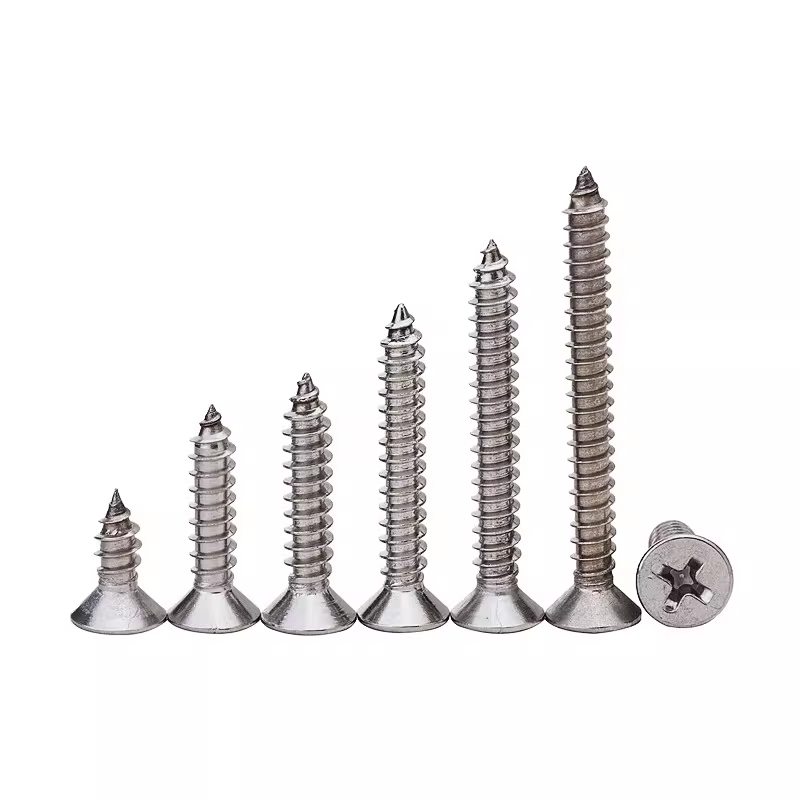
How to Select Self-Tapping Screws?
Self-tapping screws feature diverse classification dimensions. Common types include Phillips pan-head self-tapping screws, standard pan-head self-tapping screws, and Phillips countersunk self-tapping screws. Additionally, they are categorized by tip characteristics into drill-point, flat-point, and ......
Read More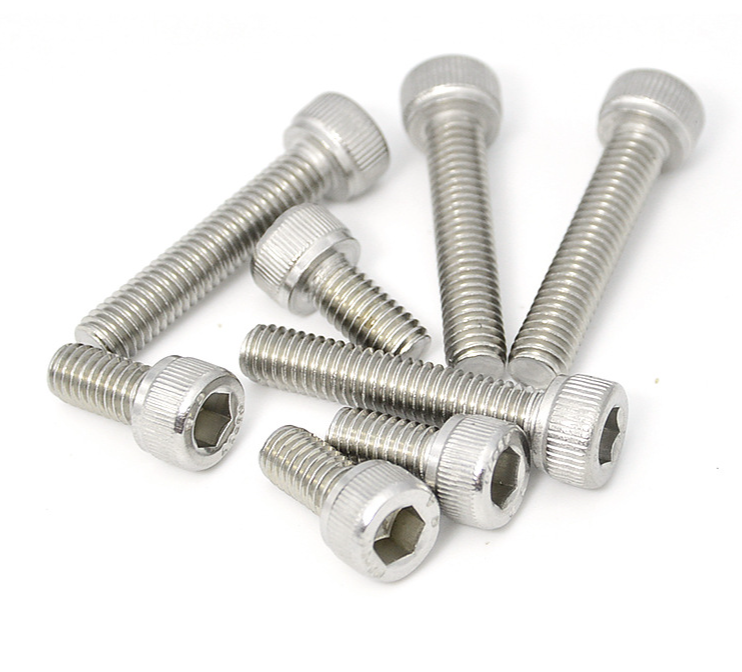
External Hex Bolt or Internal Hex Bolt?
Hexagon head bolts are a common type of fastener. Compared to flat-head or Phillips-head bolts, they are less prone to stripping during assembly and can withstand higher torque. Hexagon head bolts can be categorised into two types: external hex bolts and Internal hex bolts. So what distinguishes the......
Read More
What is the difference between self-locking nuts and locking nuts?
A self-locking nut is a nut that secures itself through friction. Conventional nuts may loosen during use due to vibration or other factors. To prevent this, self-locking nuts were developed. Their primary functions are anti-loosening and vibration resistance, making them suitable for specialised a......
Read More
What is Thread Rolling?
Thread rolling is a manufacturing process that employs forming rollers to induce plastic deformation in the workpiece, thereby creating threads. Unlike cutting methods, it does not form the required profile by removing metal; instead, it creates threads as the mirror image of the thread rolling die.......
Read More
What is the primary difference between pan-head screws and countersunk screws?
Pan-head screws and countersunk screws are two of the most commonly used fasteners in everyday assembly. Their core differences lie in the shape of their heads, their intended applications, and the scenarios in which they are suitable.
Read More