Industry News

How to Address Stripped Screw Threads?
The primary causes of stripped screw threads typically include excessive torque, improper thread matching, eccentric loading, soft material, or repeated disassembly and reassembly. To effectively reduce failure rates and secondary damage, standardized procedures should be followed across four stages......
Read More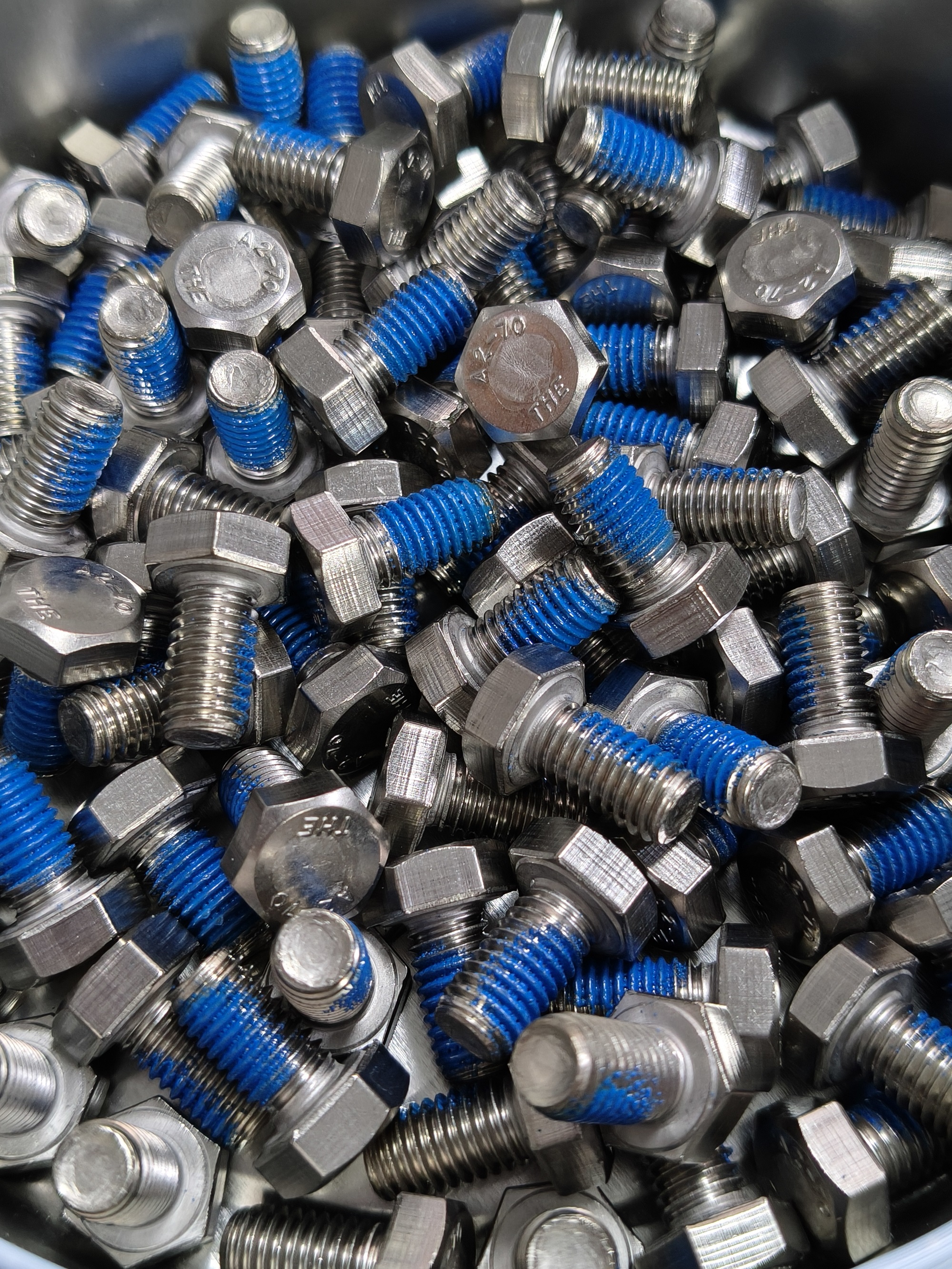
Why are threadlocking adhesives categorized into chemical adhesives and nylon adhesives?
The distinction between chemical and nylon threadlocking adhesives stems from their fundamental differences in anti-loosening principles, curing mechanisms, disassembly properties, and applicable scenarios. These variations enable them to meet distinct requirements for anti-loosening strength, seali......
Read More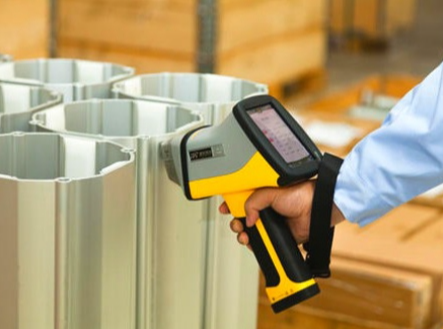
Can chemical solutions and magnets be used to quickly identify the authenticity of stainless steel fasteners?
Currently, two common methods for rapid testing of stainless steel authenticity exist on the market: chemical solution testing and magnet testing. The chemical solution test involves applying stainless steel testing solution to the surface of the fastener. After 2–3 minutes, the material's authenti......
Read More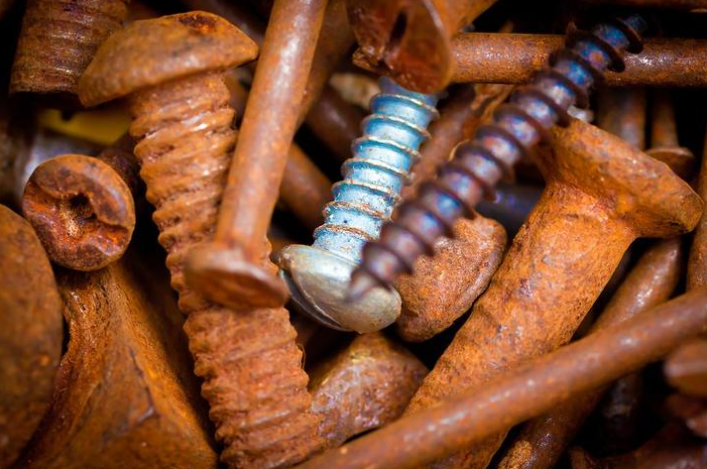
Why Do Stainless Steel Screws Rust?
Rusting is a common issue encountered during the practical use of stainless steel fasteners. This not only affects product appearance but also reduces the screws' performance and structural reliability. Therefore, when selecting and installing stainless steel screws, it is essential to understand th......
Read More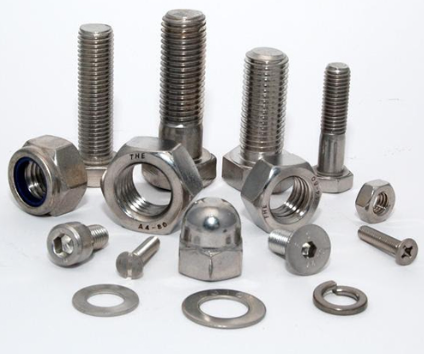
What are the types of stainless steel standard fasteners?
Jiaxing Aoke is a professional manufacturer specializing in the R&D, production, and sales of stainless steel fasteners. With over 39 years of industry expertise, our experienced technical team ensures stable production of various stainless steel standard parts. We also support custom non-standard f......
Read More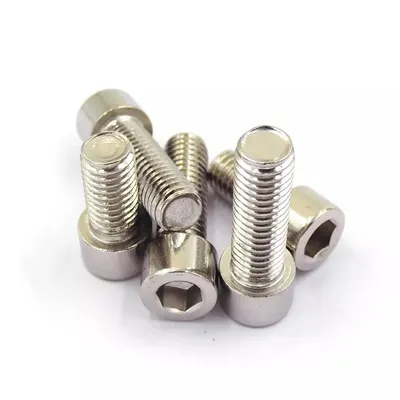
Why Are Hex Socket Screws More Preferred in Mechanical Equipment?
In modern mechanical equipment design, hex socket screws are extremely common standard fasteners. Whether for countersunk installations or various non-standard hole assemblies, hex socket screws are often the preferred choice. So what characteristics make them so prevalent in the mechanical industry......
Read More