Industry News
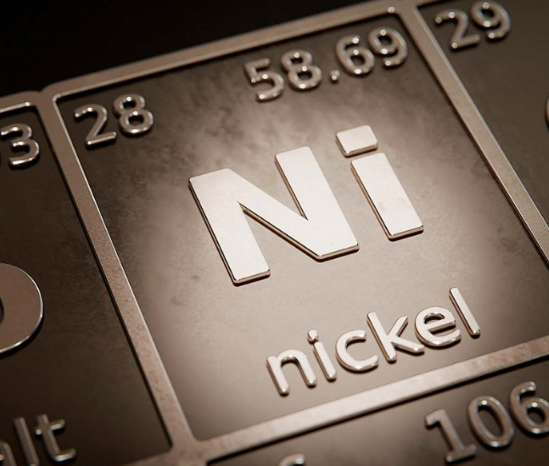
Tungsten Prices Surpass 1.05 Million! Nickel Prices Hold Steady at 144,000!
Since March 2026, prices for the key industrial metals tungsten and nickel have continued to soar. Tungsten prices have broken through the 1 million yuan mark to reach a historic high, while nickel prices have remained at elevated levels.
Read More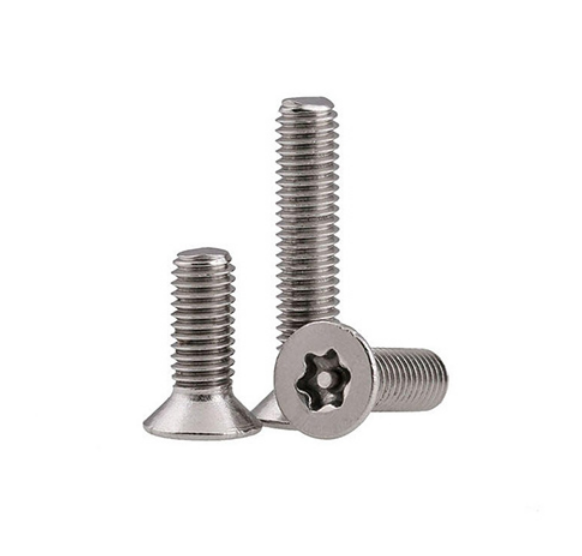
How Much Do You Know About Anti-Theft Screws?
Anti-theft screws, also known as tamper-resistant screws, are fasteners designed to prevent the theft of fixed installations left outdoors in public environments for extended periods. Based on their structure and type, they are classified into two categories: removable and non-removable.
Read More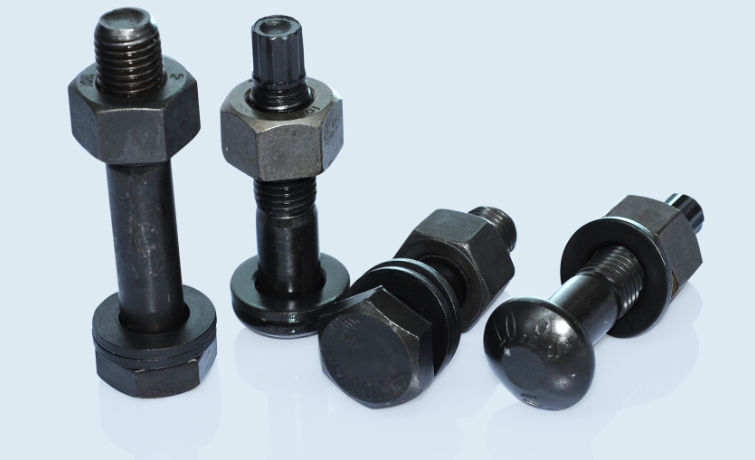
Why Are High-Strength Bolts Usually Black?
The black appearance of high-strength bolts is due to important functional considerations: it is not that black signifies high strength, but rather that the requirements for manufacturing high-strength bolts make “black” (blackening) the most suitable and safe surface treatment option, primarily due......
Read More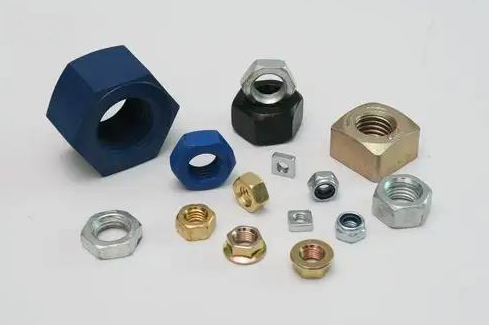
Choosing the “Coating” for Bolts
Zinc plating is the most common and economical surface treatment method for commercial fasteners. Typically, a passivation process is performed after zinc plating; depending on the passivation solution used, the resulting finish can appear white, blue, yellow, black, green, or other colors.
Read More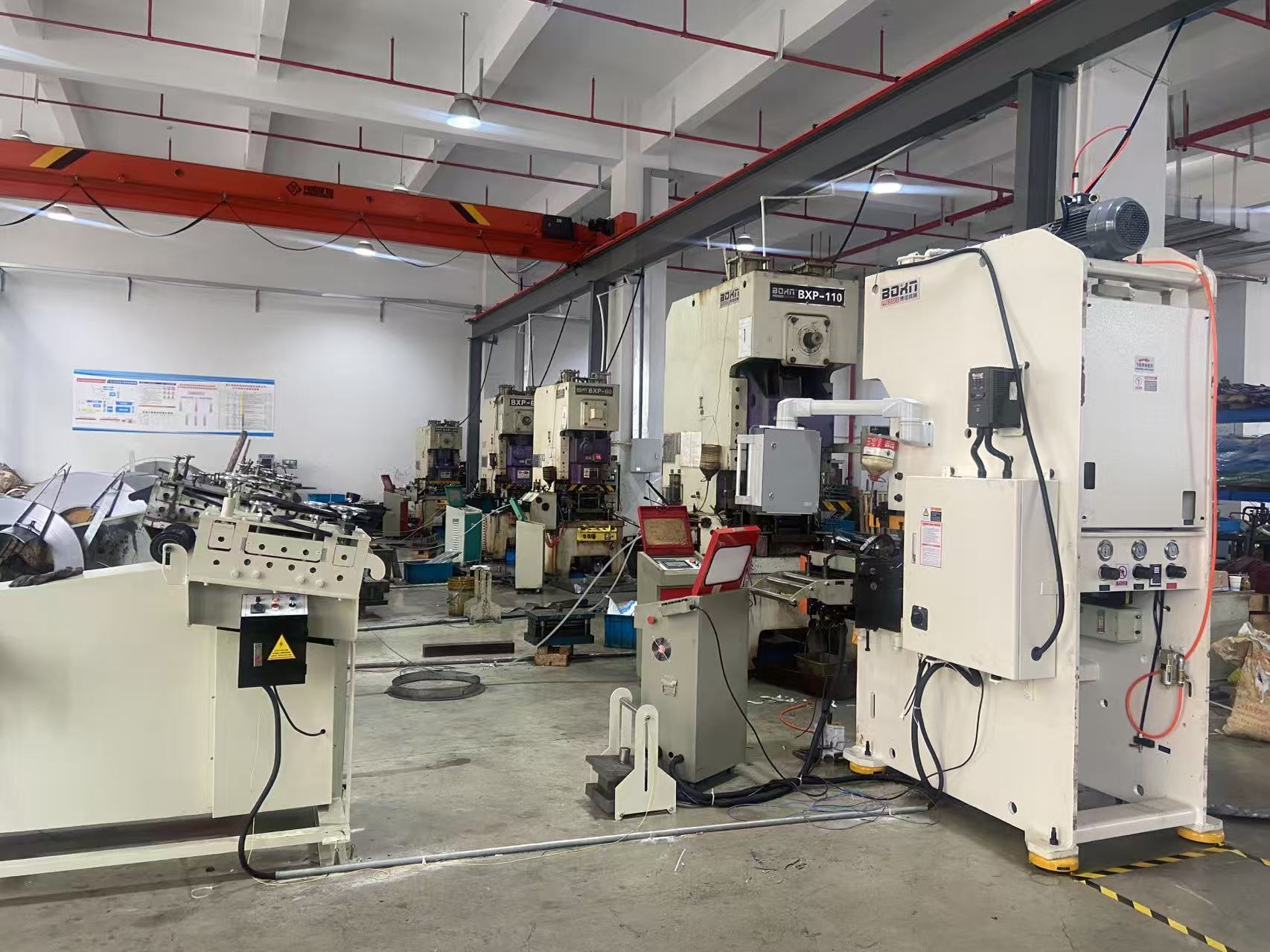
Should Stainless Steel Screws Be Passivated?
After production, many stainless steel screws are simply cleaned and packaged for shipment. So, do they need to undergo passivation treatment? In fact, although stainless steel screws have excellent rust resistance, they still require some form of passivation.
Read More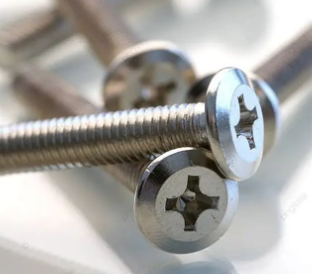
Performance Comparison of Martensitic and Austenitic Screws
In the wide-ranging applications of industrial fasteners, martensitic stainless steel screws and austenitic stainless steel screws have become essential choices for various operating conditions due to their unique physical and chemical properties. Correctly distinguishing and understanding the chara......
Read More