News
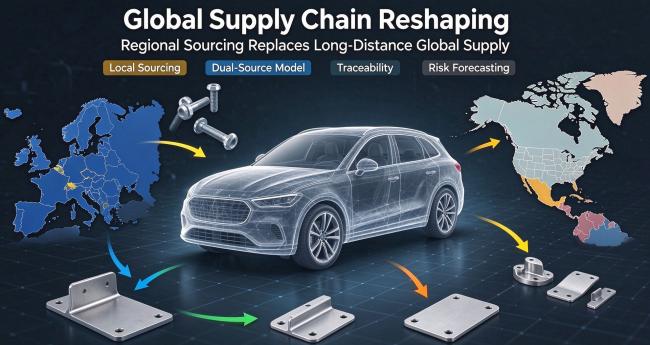
Tighter EU Fastener Trade Rules:How Auto Buyers Mitigate Supply Chain Risks in Advance
Tighter EU automotive fastener trade rules proposed by EIFI are reshaping global auto supply chains. The proposed local content threshold pushes OEMs and Tier 1 suppliers to adopt regionalized sourcing, with compliance, traceability and CBAM documentation becoming essential entry requirements for al......
Read More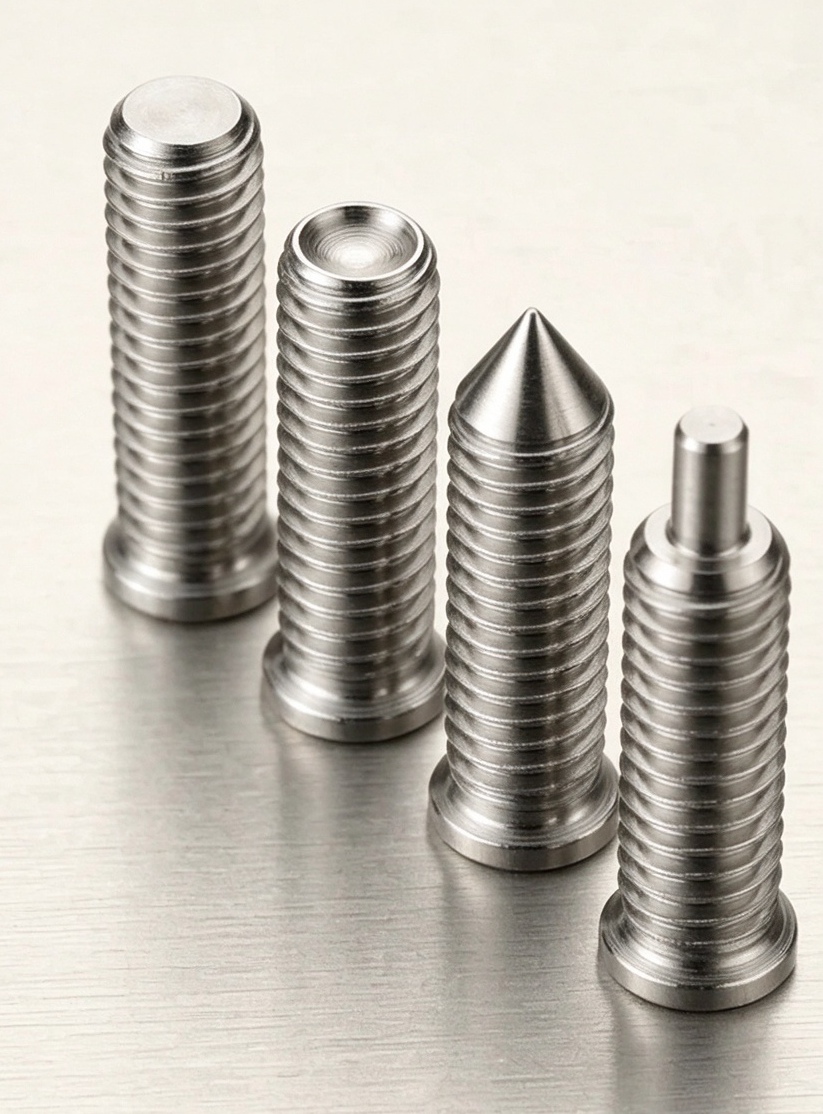
How Can Headless Set Screws Secure a Whole Machine?
Set screws, also known as grub screws, are headless fasteners widely used for shaft locking assembly. Unlike regular bolts that rely on heads for clamping, they deliver locking force by pressing their tip tightly against the mating surface. With proper hardness, tip style and tightening torque, they......
Read More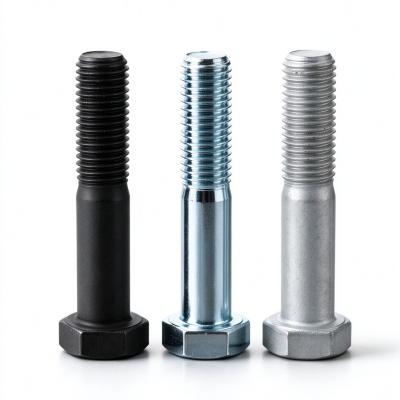
How to Pick Safe Surface Treatment for Bolts
Bolt surface finishing determines corrosion resistance, conductivity and cost. This article compares zinc plating, black oxide and Dacromet on salt spray performance, hydrogen embrittlement risk and price. It provides a two-step selection workflow, 4 common dangerous pitfalls, 5 corrosion types of f......
Read More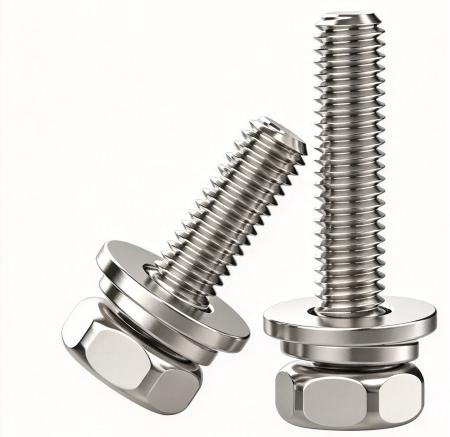
Electroplated vs Electroless Nickel: Why Your Screws Get Stuck & Gall
Electroplated nickel and electroless nickel are common nickel surface finishes for fasteners, with obvious differences in uniformity, hardness and cost. Electroplated nickel delivers bright appearance at low cost, yet excess coating on thread crests often triggers galling. Electroless nickel is nick......
Read More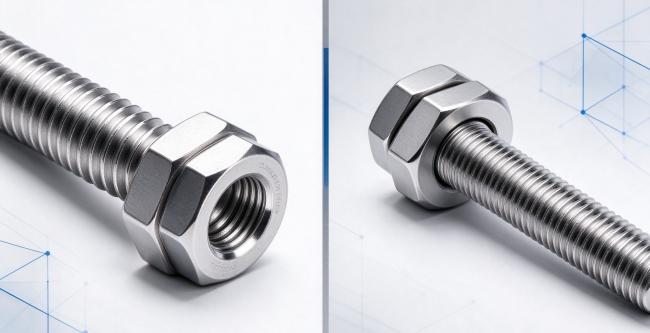
Coarse Thread vs Fine Thread Bolts: How to Make the Right Selection
Coarse thread and fine thread bolts are frequently confused by global buyers and design engineers. The difference lies not only in pitch, but also in tensile capacity, self-locking property, assembly tolerance and environmental adaptability. Coarse thread bolts feature strong universality, high dama......
Read More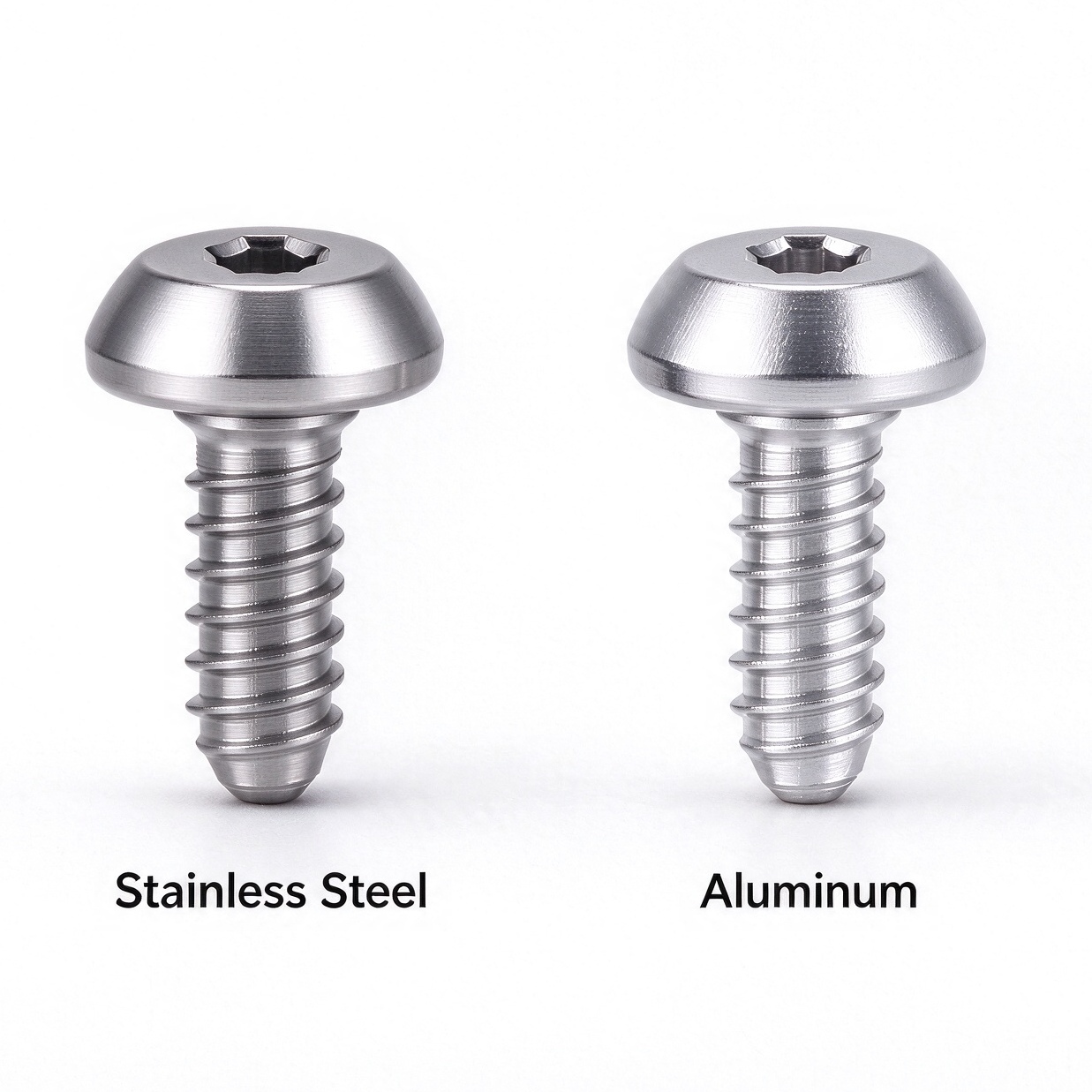
FAQs on Stainless Steel & Aluminum Fastener Selection
This FAQ guide is tailored for overseas fastener buyers, focusing on stainless steel and aluminum fastener selection. We compare their cost difference and outdoor corrosion resistance, explain FDA food-contact compliance of 304(A2) & 316(A4) fasteners. It also covers salt spray performance and color......
Read More