Industry News
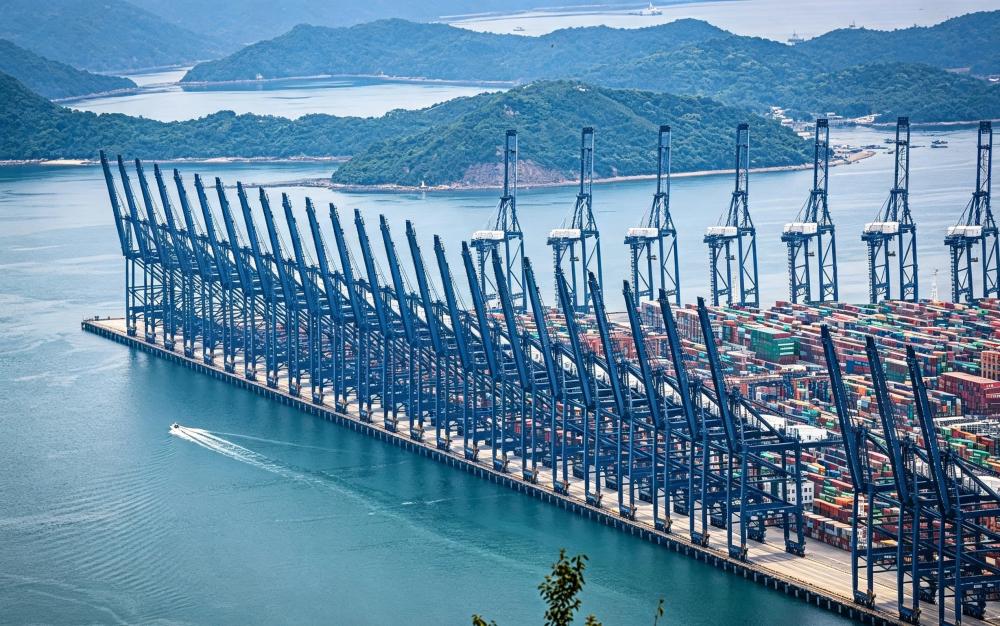
Navigating Typhoon Season: How We Keep Your Fastener Supply Chain Moving
East China enters typhoon peak season in August, bringing potential temporary suspensions at Ningbo-Zhoushan Port. This brief clarifies that port shutdowns are purely safety precautions without infrastructure damage. Relying on our self-owned factory, our fastener production stays stable. We analyze......
Read More
June Manufacturing PMI Stands at 50.3%
Data released by the Service Industry Survey Center of the National Bureau of Statistics and the China Federation of Logistics and Purchasing show that the Manufacturing Purchasing Managers’ Index (PMI) for June stood at 50.3%, up 0.3 percentage points from the previous month, marking the fourth con......
Read More
China’s Manufacturing PMI Returns to Expansionary Territory in June
The National Bureau of Statistics of China announced on June 30 that China’s Manufacturing Purchasing Managers’ Index (PMI) for June stood at 50.3%, up 0.3 percentage points from the previous month, returning to expansionary territory.
Read More
China Leads the World in Offshore Wind Power; High-End Fasteners Drive High-Quality Development of the New Energy Industry
The trends toward larger turbines and deeper offshore locations place more stringent demands on core components. As core connecting components of wind turbines, fasteners are widely used in critical locations such as tower flanges, blade roots, nacelle bases, and offshore pile foundations. Data show......
Read More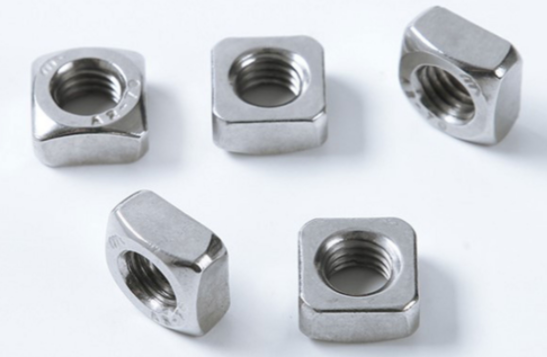
In Which Scenarios Are Square Nuts Essential?
Square nuts offer excellent anti-rotation capabilities and a larger contact area. Compared to conventional hex nuts, they demonstrate even greater advantages in special installation environments, load-bearing structures, and vibrating equipment, and are widely used across multiple industries. Below ......
Read More